-
Reconceptualising urban commons through the precariat movements in East Asian cities and articulating nonsovereign translation as a method of commoning.
Urban Studies.
-
Imagining the urban care infrastructures for freedom: On the transformation of labor and care in Tokyo’s collective childcare.
Urban Political Ecology.
-
Subversive smart urbanism: Tokyo’s underclass enacting phygital autonomy.
International Journal of Urban Sciences.
-
The metabolic rift in subjectivities: Toward an epistemology of the commons and capitalism in the age of polycrisis.
Bulletin of the Faculty of Liberal Arts, Saitama University, 61(2).
(in Japanese).
主体性における物質代謝の亀裂 ―複合的危機時代のコモンズと資本主義の認識論に向けて. 埼玉大学紀要(教養学部)第 61 巻第 2 号
-
Working-in-commons in the middle of precarity: The legacy of the urban movement of South Korea in the 1970s.
Antipode.
-
Caring for uncommon bodies: Commoning yoseba through indifferent care and working together.
Journal of Urban Affairs.
-
Enabling infrastructure: seeing infrastructure as the urban commons.
International Journal of Urban Sciences. 1-13.
-
Ethics of care in commons: Transitioning from the ‘home/family’ ownership to a caring commons via Bin-Zib, a co-housing experiment.
Space and Environment, 33(4). 256-292.
(in Korean).
소유하는 ‘집/가족’에서 돌봄의 커먼즈로: 공유주거 ‘빈집’을 통해 보는 커먼즈의 돌봄윤리. 공간과사회 33(4). 256-292.
-
How value is performed?: The affective economy of housing values in the new town of Kwang-kyo.
Space and Environment, 33(4). 115-171.
(in Korean).
가치는 어떻게 실천되는가: 광교 신도시의 주거가치를 둘러싼 정동경제. 공간과사회 33(4). 115-171.
-
The historical formation of the precariat movement in Tokyo: Looking through precarity and the precariat.
Journal of the Korean Urban Geographical Society, 26(1). 53-71.
(in Korean).
도쿄 프레카리아트 운동의 역사적 형성과정: 불안정성과 프레카리아트의 의미를 통해 살펴보기. 한국도시지리학회지 26(1). 53-71.
-
From village communities to the urban commons: Rearticulating the urban commons from a view of East Asia.
Space and Environment, 32(4). 11-44.
(in Korean).
마을 공동체에서 도시적 커먼즈로: 동아시아의 시선으로 보는 도시적 커먼즈. 공간과사회 32(4). 11-44.
-
Turning a home into the common: the micro-politics of subjectivations in a cohousing community in Seoul.
Inter-Asia Cultural Studies, 19(3). 372-385.
didi

Radiation and Revolution
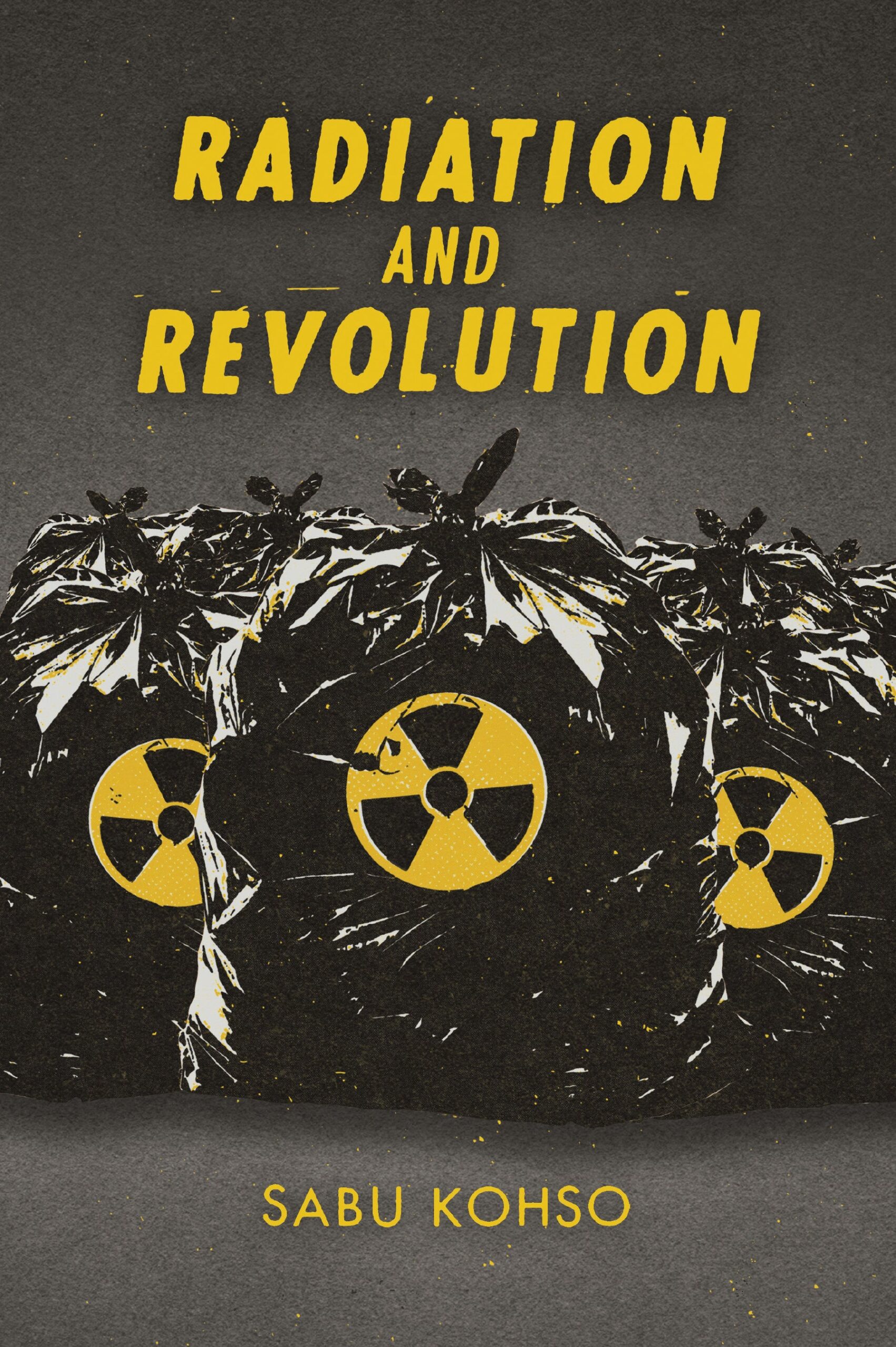
Han, Didi and Kwon, B. (forthcoming).The Korean translation of Radiation and Revolution (by Kohso, Sabu, 2020). Seoul: Greenbee publishing.
Theory of Self-Governance in Commons
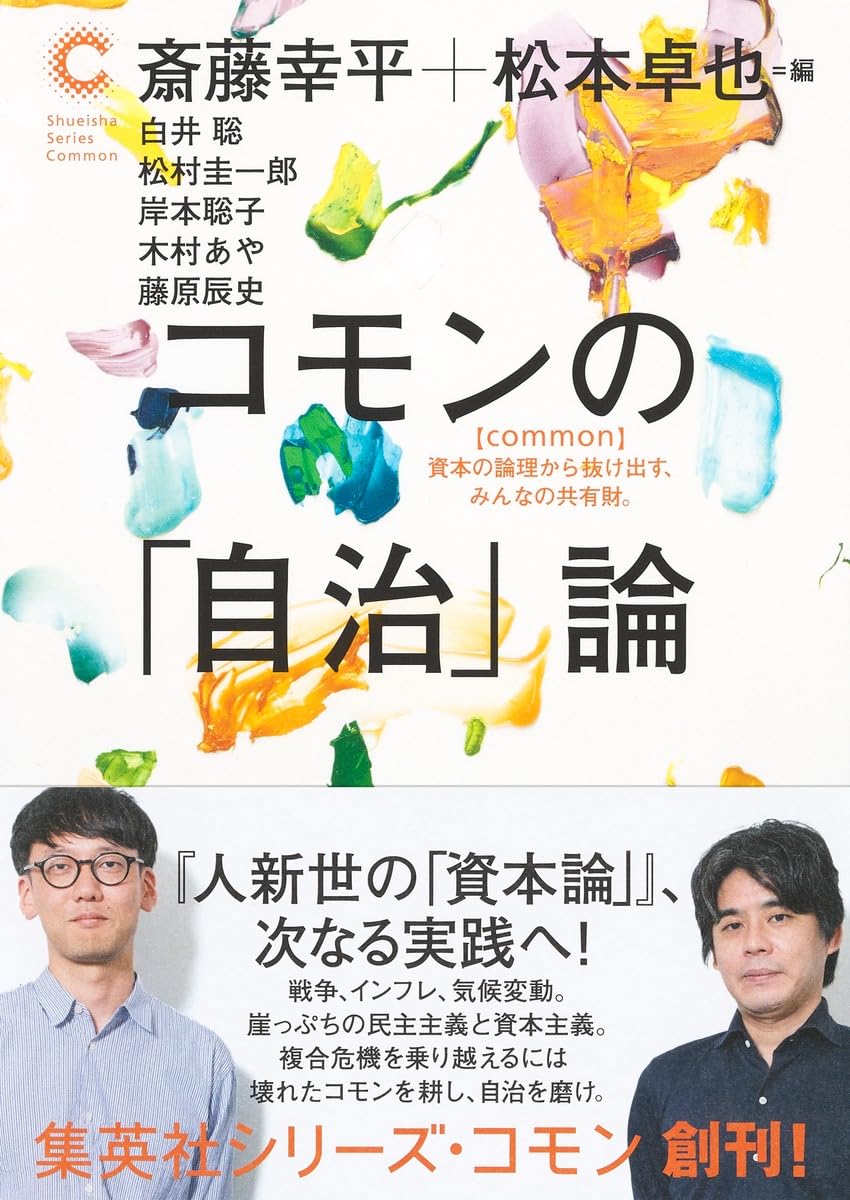
Han, Didi Choi, S., and Yi, S. (forthcoming). The Korean translation of Theory of Self-Governance in Commons (by Kohei, S., 2023) Seoul: Dongnyeok publishing.
해적 계몽주의

Han, Didi and Byeong Kwon Koh (2025). The Korean translation of Pirate Enlightenment, or the Real Libertalia (by Graeber, David, 2019). Seoul: Imagine for one thousand years.
가족커뮤니티 내 복수의 시공간과 도래할 가족커뮤니티
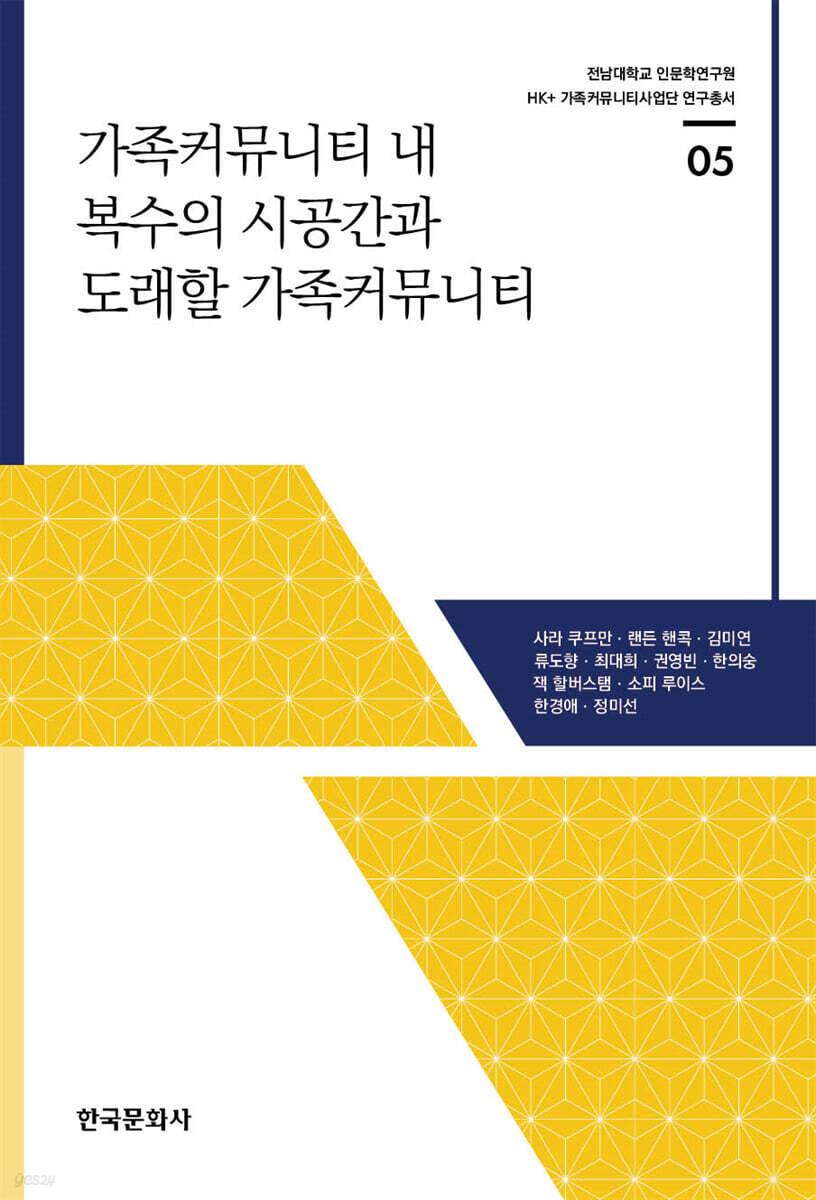
Han, K. (2025). Caring for uncommon bodies. In Koopman et al., Multiple Spatiotemporalites within the Family-Community and the Family-Community Yet to Come. Institute for the Humanities, Chonnam National University. (in Korean).
비공통적 신체 돌보기.
가족커뮤니티 내 복수의 시공간과 도래할 가족커뮤니티. 전남대학교 인문학연구원.
What is the Commons: Reclaiming Sovereignty of Life Beyond Capitalism. Seoul: Red salt publishing (in Korean)
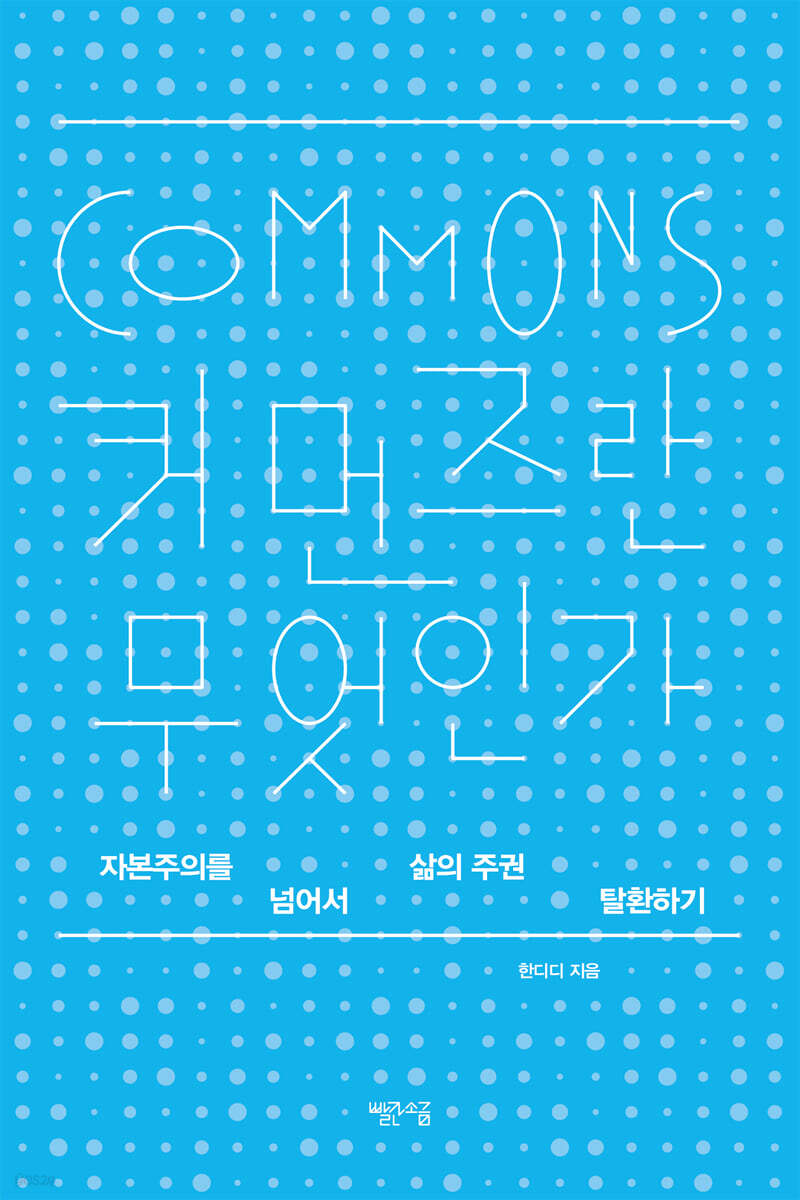
커먼즈란 무엇인가: 자본주의를 넘어서 삶의 주권 탈환하기. 빨간소금
Japanese translation: Han, Didi (under contract). What is the Commons: Reclaiming Sovereignty of Life Beyond Capitalism. Tokyo: Ibunsha (in Japanese).
One concept we have been hearing a great deal about lately is the “commons.” It may sound unfamiliar, but it is not entirely new. The term has been translated into Korean in various ways, including shared land, shared goods, and common resources. Historian Peter Linebaugh renders it as the verb “commoning,” while Antonio Negri refers to it through the abstract noun “the common.”
What Is the Commons? criticizes the definition of the commons as merely “shared resources,” arguing that such a view is itself a product of modern epistemology. Instead, it contends that the commons is not simply a physical space, but a paradigm of transformation that guides us beyond capitalist relations of production toward new ways of living. Drawing on research in anthropology and history, as well as firsthand participant observation in commons movements in East Asia, the author carefully reconstructs ways of life that have existed as part of the commons for thousands of years. This book can be read as a map of the discourses surrounding commons theory and movement.
At the heart of the commons lies not resources themselves, but autonomy in defending sovereignty over one’s own life, the care and interdependence involved in willingly depending on one another, and a shared sensibility of being connected to others. The commons is not a movement that newly emerged in the twenty first century. It has long been part of the ways ordinary people have sustained their lives over thousands of years. The reason the commons is so difficult to grasp today is that capitalism has deliberately dismantled it and forced commodity exchange to become the dominant form of social relation.
The author calls on us to recognize the glimmer of the commons that has been erased beneath the relations of money and commodities, and to reclaim the autonomy that capitalism has taken from us. Can we make utopia a matter of lived reality here and now, rather than mere imagination? For readers seeking a paradigm for social transformation, this book reveals the broader possibilities of the commons.
최근 여기저기서 자주 들려오는 개념 가운데 하나가 ‘커먼즈(commons)’다. 익숙지 않아서 그렇지 아주 낯선 개념은 아니다. 커먼즈는 그동안 공유지, 공유재, 공동자원 등으로 번역되었고, 역사학자 피터 라인보우는 ‘커머닝(commoning)=공통화하다’라는 동사로, 안토니오 네그리는 ‘공통적인 것(the common)’이라는 추상명사로 대신하기도 한다.
《커먼즈란 무엇인가》는 ‘공유자원’이라는 정의가 근대적 인식론의 산물이라고 비판하며, 커먼즈는 단순한 물리적 공간이 아니라 자본주의적 생산관계를 넘어 새로운 삶의 방식으로 안내하는 전환의 패러다임이라고 주장한다. 글쓴이는 인류학과 역사학의 문헌자료를 연구하며 얻은 역사 속 커먼즈와 자신이 직접 참여관찰한 동아시아 커먼즈 운동 현장에 이르기까지, 수천 년간 커먼즈의 일부로 살아온 삶의 양식을 촘촘히 재구성한다. 이 책은 커먼즈 운동과 이론을 망라한 담론 지도라 할 수 있다.
커먼즈의 핵심은 자원이 아닌 삶의 주권을 지키려는 자율성, 기꺼이 의존하며 살아가는 돌봄과 상호의존성, 타자와 연결되어 있다는 공통의 감각이다. 커먼즈는 21세기에 새롭게 등장한 운동이 아니다. 수천 년간 이어진 민중의 살림살이 방식이었다. 그런데 지금 커먼즈를 이해하기 어려운 까닭은 자본주의가 의도적으로 커먼즈를 해체하고, 오직 상품 교환 관계만을 지배적인 관계로 강제하기 때문이다.
저자는 상품과 화폐 관계 아래 지워진 커먼즈의 반짝임을 알아차리고 자본주의에 빼앗긴 자율성을 되찾자고 말한다. 지금 여기서, 유토피아를 상상이 아닌 현실의 일로 만들 수 있을까? 사회 전환의 패러다임을 찾는 독자에게 이 책은 커먼즈의 더 큰 가능성을 보여줄 것이다.
Urban Commons: Rethinking the City
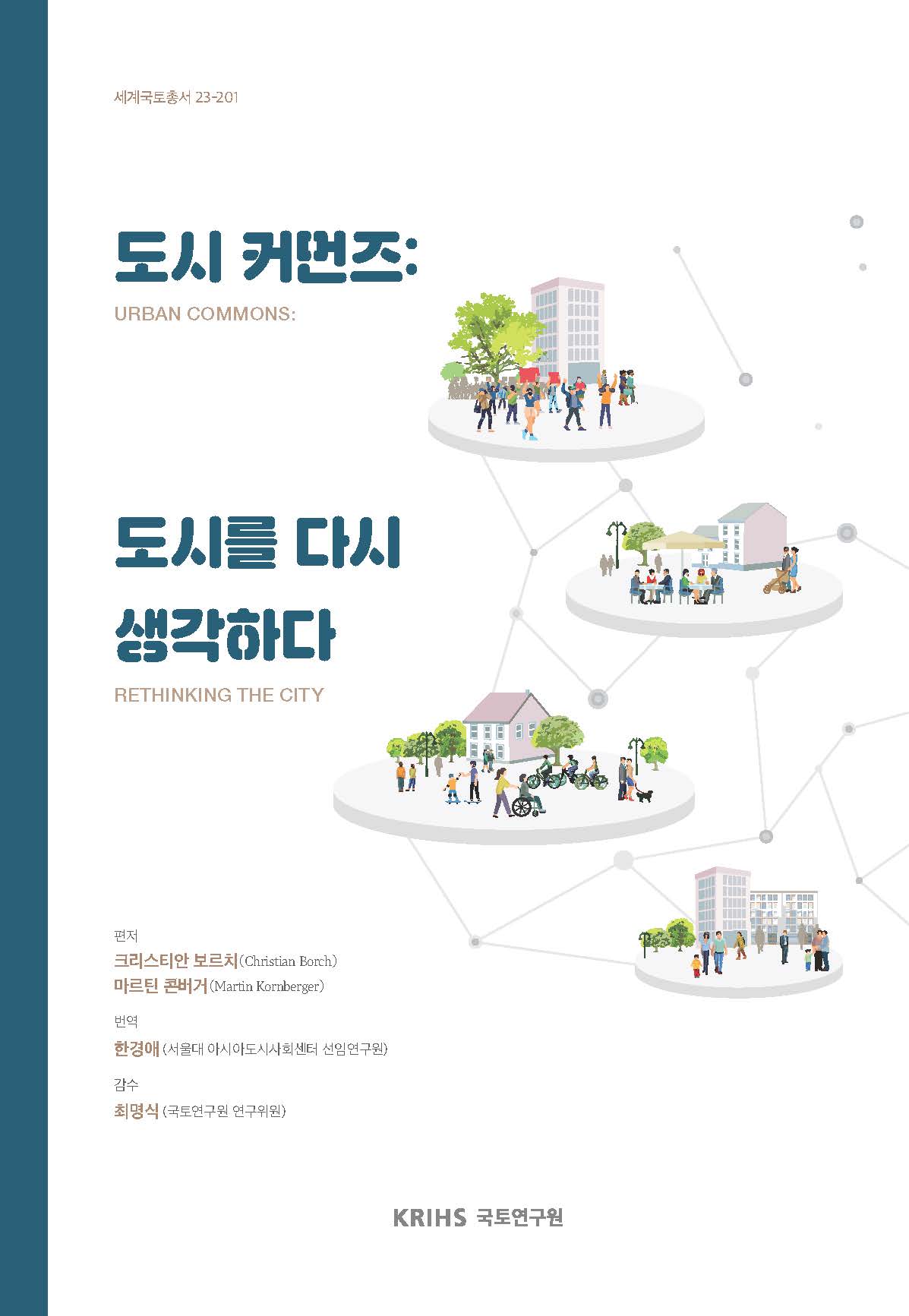
Han, Kyoung-ae (2024). The Korean translation of Urban Commons: Rethinking the City (by Borch, Christian, and Martin Kornberger, 2015). Korea Research Institute for Human Settlements.
被害と加害のフェミニズム.
The new cultural politics of victimhood, In Kwon, Kim Hyun Yeong et al., Feminism of Victimhood and Perpetration. Tokyo: Kaiho publishing (in Japanese). 「被害者性」という新しい文化・政治. 被害と加害のフェミニズム.会報出版.
Han, Didi, Imamasa Hajime, and Soryang Park (2023). The Japanese translation of Feminism of Victimhood and Perpetration (by Kwon, Kim Hyun Yeong et al., 2018). Tokyo: Kaiho publishing.
Neoliberal Urbanism, Contested Cities and Housing in Asia
Han, D. (2019). Weaving the Common in the Financialized City: A Case of Urban Cohousing Experience in South Korea. In Chen & Shin. (eds.) Neoliberal Urbanism, Contested Cities and Housing in Asia. New York: Palgrave Macmillan, 171-192.
구월, 도쿄의 거리에서
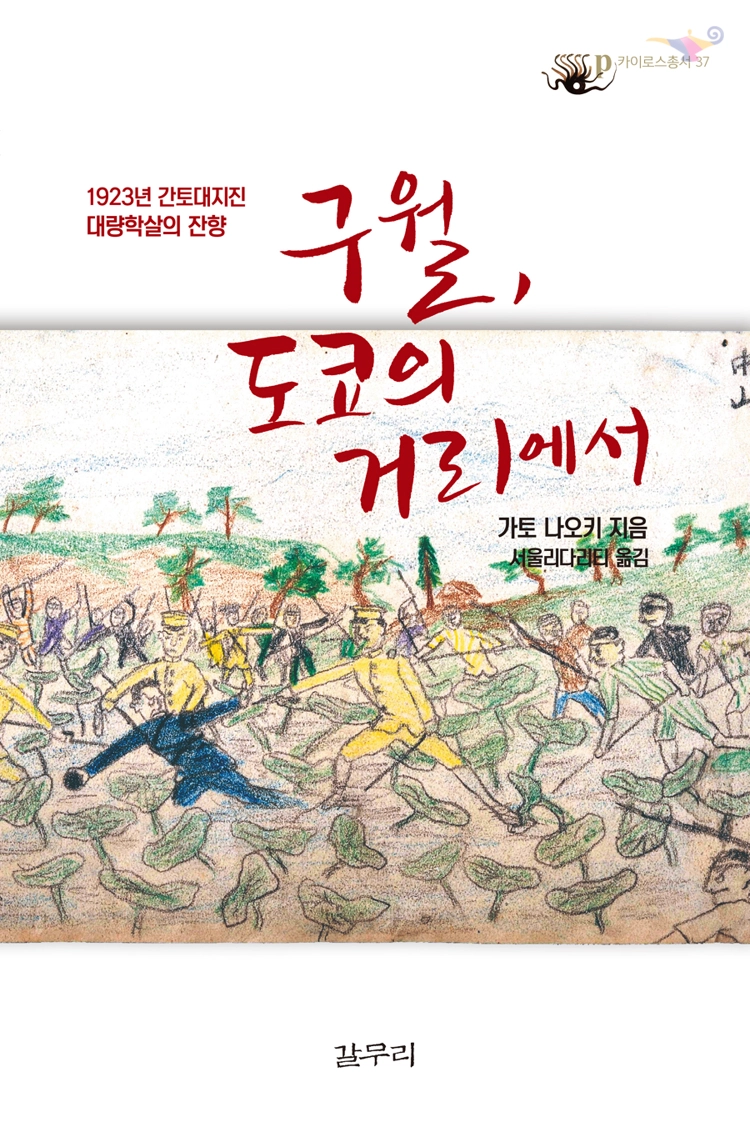
Han, Didi, Imamasa Hajime, and Soryang Park (2015). The Korean translation of September, On the Street of Tokyo: Echoes of the 1923 Kanto Earthquake Massacre (by Kato, Naoki, 2014). Seoul: Galmuri Publishing
Urban Commons: Moving Beyond State and Market.
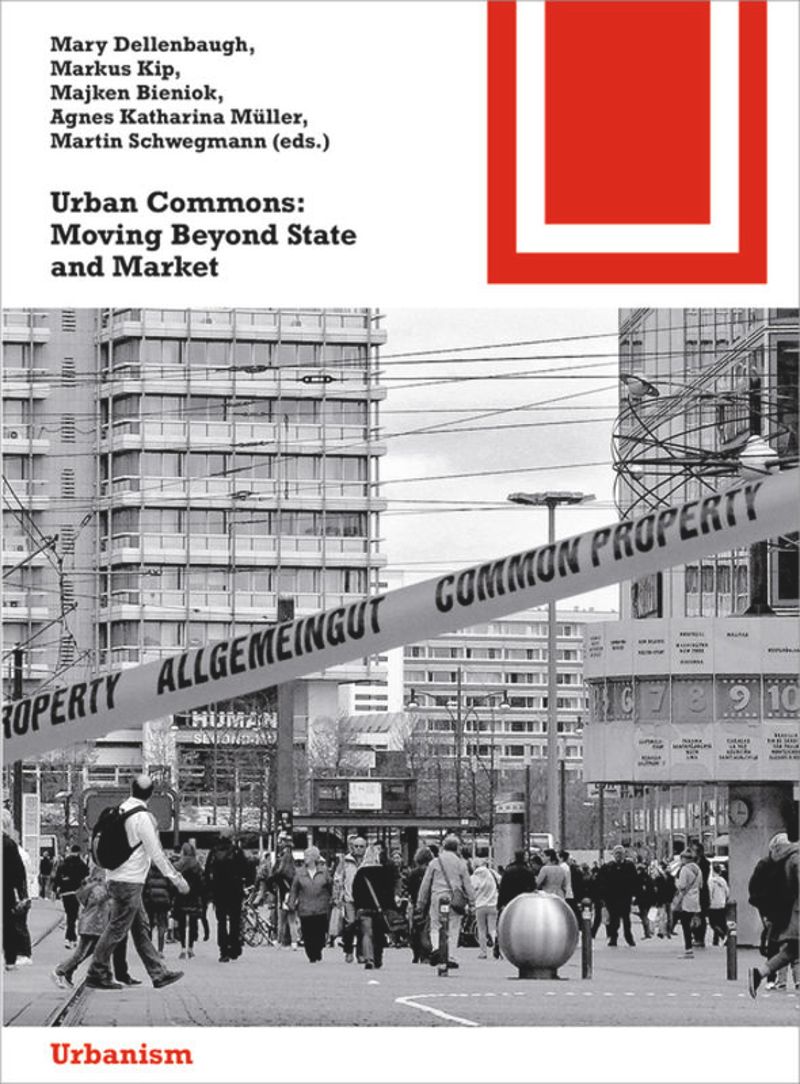
Han, D., and Hajime Imamasa (2015). Overcoming privatized housing in South Korea: Looking through the lens of commons and the common”. In Dellenbaugh, Mary et al. (eds.) Urban Commons: Moving Beyond State and Market. Berlin: Birkhäuser. Berlin, 91-100.
죽음의 도시 생명의 거리
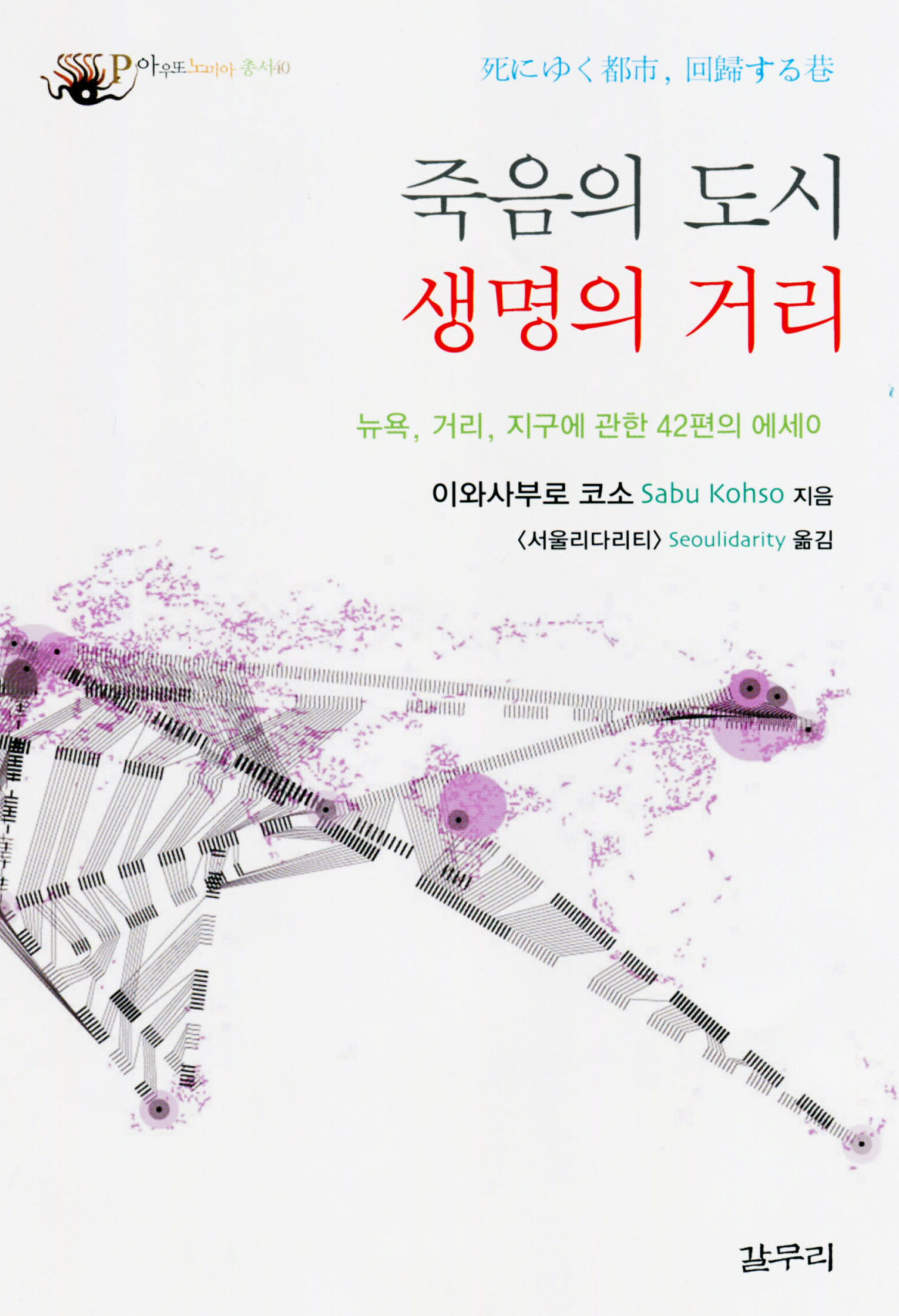
Han, Didi, Imamasa Hajime, and Soryang Park (2013). The Korean translation of City of Death, Streets of Life: 42 Essays on New York, Streets, and Earth (by Kohso, Sabu, 2010). Seoul: Galmuri Publishing.